
Physical Therapy for Back Pain
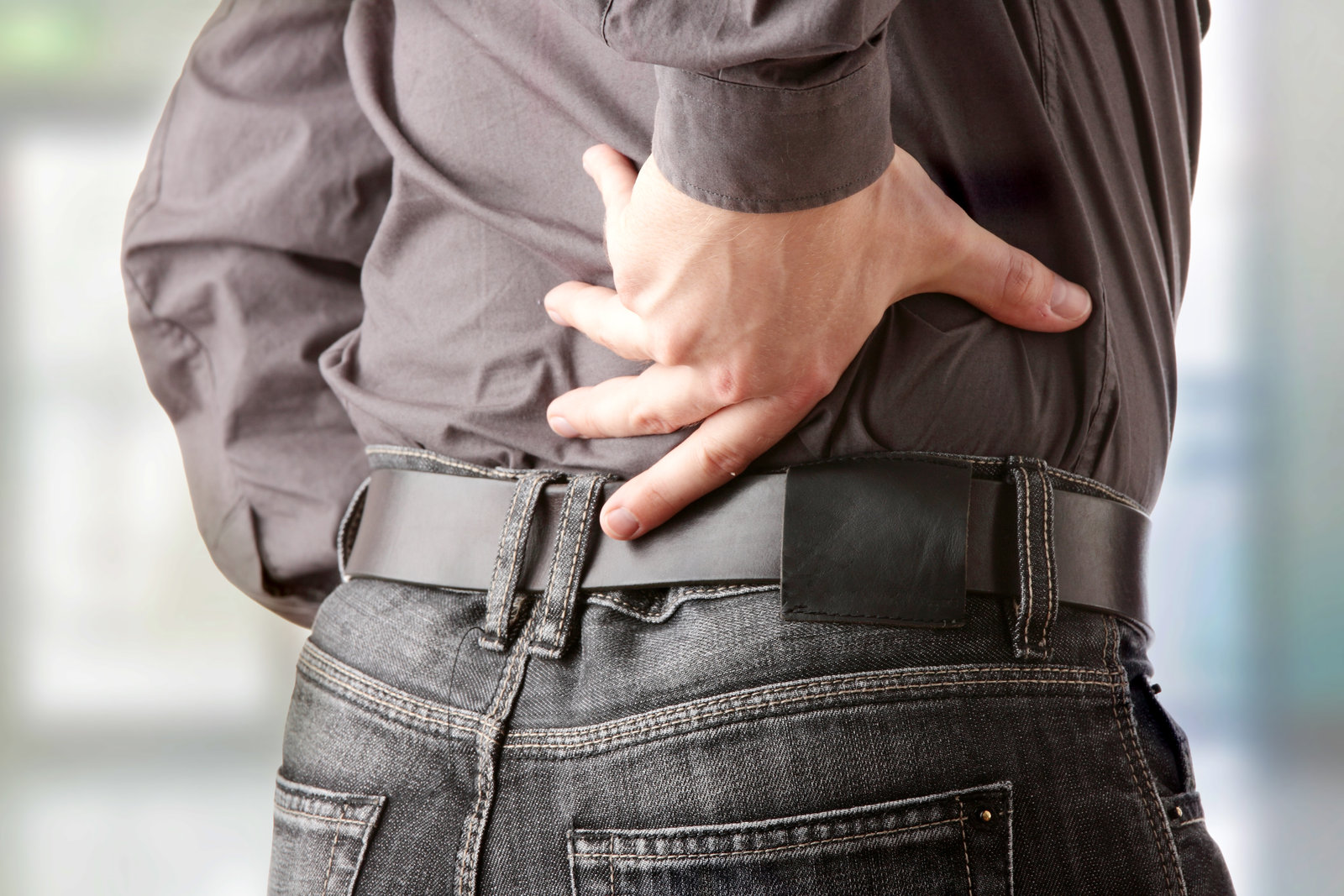
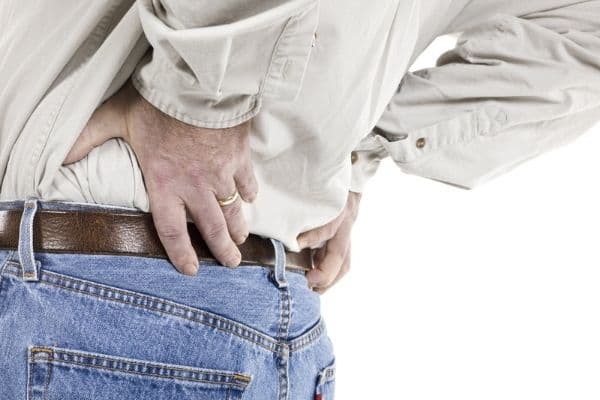
Having back pain can make it difficult to do the things we want and need to do. If you are experiencing chronic or severe back pain, there is physical therapy that can help relieve your discomfort and get you moving again.
Physical therapy can help you to recover from back pain
Often when diagnosing back problems, there are usually many parts involved. The position of the pelvis, tight muscles that surround the pelvis which can throw the lower back out of alignment. Poor posture leads to the weakening of important muscles and overly tightened or “guarding” of muscles that limit the mobility of the spine.
Physical therapy can help relieve pain and reduce the loss of mobility as well as provide a vast array of treatment techniques designed specifically for individuals with chronic and acute injuries to promote healing, provide pain relief, restore strength and improve mobility.
How Physical Therapy Helps Back Pain
As back pain is often complex and sometimes goes untreated until a patient is in extreme or debilitating pain, having treatment options that are tailored for you, depending on your specific needs, can be extremely beneficial.
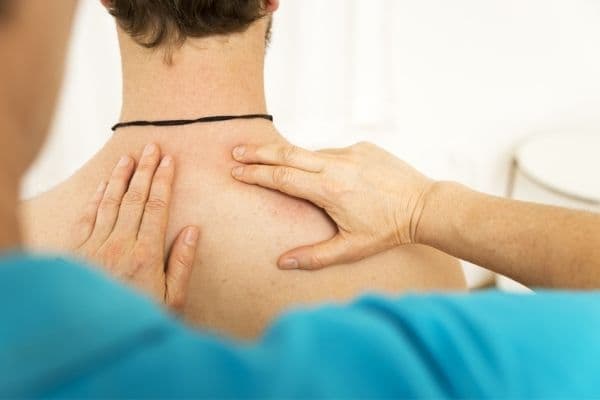
Physical therapists use modalities such as heat/ice therapy, massage therapy, manual therapy, electrical stimulation, or ultrasound to break up scar tissue from previous injuries while strengthening surrounding muscles at the same time.
In addition to these treatments, physical therapists also provide education on proper body alignment through exercise programs so their patients know how best to care for their backs.
Anatomy of the Back
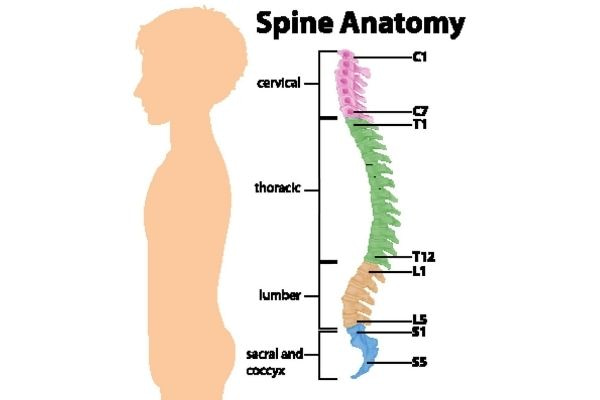
The spine is a complex structure that provides support for the head, trunk, and limbs. The spine consists of 26 vertebrae in adults, which are separated by disks. These bones and disks operate in a way that allows for twisting as well as protection from compression of the spinal column.
Often when patients are already in a great deal of pain, they are suffering from injuries, herniations of the disks in the cervical or lumbar spine. These disks sit between vertebrae and act like “shock absorbers.” They comprise what is called the “intervertebral discs,” which are thin rings that allow for movement between each vertebra.
Back pain from aging
As we get older, aging is impossible to avoid, but the upkeep and health of your body can assist in living a mobile and pain-free life for as long as possible.
Due to the nature of common postural issues, many people are weak in certain areas and overly tight in others. Due to this, certain disks in the spine “age” faster than others and it often results in pain and nerve inflammation.
As there are nerves that innervate from the back and spine into every area of our body, it’s often easy to overlook the fact that the pain you may be feeling in a remote location of your body, can be stemming from inflammation of the back which puts pressure on the spine and its disks.
Once the disks get injured it’s often a tough task to repair or fix the issue, as your disks do not regenerate unlike some soft tissues of the body. Due to this, it’s important to always keep your back and spine in tiptop condition.
The tendons that connect the spine are also an important consideration when assessing why your might be “stuck” in a position of poor posture, even when you feel you activating your back muscles and trying to improve your range of motion.
Developing strength in your back muscles as well as flexibility in the right areas of the back and supporting areas of the spine is likely the best option to stave off back pain and remain free of back problems for as long as possible.oor posture, even when you feel you activating your back muscles and trying to improve your range of motion.
Symptoms that Accompany Back Pain
To help us understand an injury and properly diagnose patients with back problems such as chronic low back pain, it’s important to think about what other symptoms may accompany back pain.
Common symptoms of upper and middle back pain are:
- A dull, burning, or sharp pain
- Muscle tightness or stiffness
- More serious symptoms that need to be treated right away include:
Common symptoms of upper and middle back pain are:
- A dull, burning, or sharp pain
- Muscle tightness or stiffness
- More serious symptoms that need to be treated right away include:
Prolonged injury to one part of the back may cause swelling of that region which can lead to nerve dysfunction and loss of sensation in adjacent body regions.
If acute injury is unchecked by rehabilitation it will become chronic and disabling with permanent disability as a consequence. More severe trauma such as fractures will necessitate treatment by medical professionals.
Contributing Factors
That Lead to Chronic Back Pain
- Slouching at your desk (or generally poor posture)
- Pregnancy
- Poor execution of lifting heavy objects resulting in injury (and improper lifting techniques)
- Being overweight
- Not exercising
- Muscular imbalances
- Lack of supporting strength for the spine
- Incorrect pelvic tilt
- Bad workout and lifting technique
- Repetitive muscle strain from work
Stress can lead to muscle tension in the back, and depression and anxiety may make the pain feel even worse. Never underestimate the impact of emotional and psychological factors on your health, including as a cause and exacerbating factor to pain.
Conditions that Cause Back Pain
Beyond what was noted above, there are also more serious conditions that cause back could be:
Ankylosing spondylitis
Ankylosing Spondylitis is a type of arthritis that causes inflammation in the spine. It causes stiffness, pain, and immobility in the back, knees, hips, and spine.
Endometriosis
Fibromyalgia
Herniated disk
This injury causes one of the disks that separate two vertebrae to protrude into an adjacent space beyond its normal position. This can cause tremendous pain and even loss of mobility in some cases.
Kidney infection (pyelonephritis)
Pyelonephritis refers to a type of urinary tract infection that causes pain in the back, right side of the lower abdomen, and epididymis.
Pyelonephritis can manifest from an obstructed ureter from stones or cysts, which blocks the urine flow from the kidney to out through the urinary tract.
Kidney stones
Osteoarthritis
Osteomyelitis
Osteoporosis
Rheumatoid arthritis
Rheumatoid arthritis is a disease that damages joints. It’s classified as an autoimmune disorder. The immune system mistakenly attacks the body’s tissues, in this case, joint tissue.
Sacroiliitis
Sciatica
Scoliosis
Spinal fractures
Spinal stenosis
Are you experiencing pain in your back?
It’s important to talk to a doctor for any lingering or debilitating pain relating to your back since a spine injury can affect so many aspects of your health.
Back sprain/Strain
A back sprain typically results when ligaments in the back are stretched or torn, often during an awkward movement or landing from a jump. The injury causes pain and soreness in the lower back. Ligaments are tough bands of tissue that connect bones—hence their name, which means “connecting band”—and provide stability for joints.
The most common symptom of a back sprain is pain, either acute or chronic. This depends partly on how severe the injury was and whether any ligament damage occurred.
Once an individual has had one back sprain it’s considered more likely that they’ll have future recurring spasms as well as inflammation in the surrounding muscles that are injured. If this happens then again the sufferer will notice increased pain that may worsen with repeated movement aggravated by sitting for long periods.
The short answer is that there isn’t a “cure” for back pain, but there are treatments available that can dramatically reduce the symptoms of acute low back pain. Different types of rehabilitation techniques may be recommended based on your age, medical history, and other factors. Your doctor can work with you to find the right treatment or rehabilitation program for you, so it’s important not to ignore the injury without discussing it with your doctor first.
Generally, we can recommend that you strengthen and stretch your muscles with light exercise and anti-inflammatory medication. Don’t lift anything heavier than 10 pounds until your doctor says it’s okay and use extra support (e.g., brace) when lifting heavy objects during rest periods.
Herniated disc
A herniated disc is when the soft, jelly-like substance (nucleus) located between your vertebrae in the spine moves out of its normal position. This condition often causes severe lower back pain and stiffness.
The most common symptom of a herniated disc is pain that usually gets worse as the day goes on. Sometimes there isn’t a single event that sets off the back pain, and sometimes the pain only comes with certain actions such as lifting.
Other potential symptoms are:
- Tingling,
- Numbness,
- Weakness in an arm or leg
These symptoms mean nerve roots coming from your spinal cord are being pinched. If you have intermittently shooting pains down one arm or both arms to your hands then this could indicate nerve damage due to a herniation.
Treatment for a herniated disc usually requires medication, bed rest, and avoiding heavy lifting, as well as physical therapy. Surgery may be an option in some cases, but it’s not typically recommended for those with less than three to four discs that have been herniated.
Lumbar Radiculopathy
Lumbar radiculopathy is a term that refers to any neurological problem that arises from the nerve root of the spinal cord (lumbar spinal nerve). The discs between vertebrae are squeezed out of place, ligaments holding bones together are stretched too tight or torn, muscles get weak. This condition can be caused by poor sitting posture.
The most common symptom is constant shooting pains when walking associated with numbness, loss of strength, or usual movement in areas below your knees. Sometimes it gets so bad people can’t walk because their knee buckles under them during each step planted on their foot.
The treatment plan for Lumbar Radiculopathy can vary from person to person, but usually, it will involve some form of physical therapy.
Here at Impact Care Therapy, your physical therapist will create a plan of care based on your specific diagnosis and overall goals.
Sacroiliitis
The term refers to inflammation of the structures called iliac ligaments, which connect the five lumbar vertebrae with corresponding joints on either side of the spine – called sacroiliac joints.
Like any inflammatory condition, the pain can be sharp and intense when it flares up or can come and go.
The best stretch for this condition is a standing forward bend performed during a mild lunge with slight knee flexion at both ends. For cases where physical therapy is necessary, we work with patients to lay out a comprehensive stretching and exercise plan that relieves pain and helps patients return to normal activities.
Spondylolisthesis and spondylolysis
Because the symptoms, common ages of patients with these conditions, and the treatment methods are very similar, these two conditions are frequently explained together.
- Spondylolisthesis is a term used to describe the slippage or displacement of one vertebra relative to the next in the spinal column.
- Spondylolysis is a defect or fracture in one of the bones in the spinal column that occurs mainly when there has been repeated stress to this part of the spine.
Symptoms include:
- Unexplained lower back pain due to poor posture,
- Difficulty lifting objects requiring flexing forward at hips,
- Groin pain after activity,
- Stiffness in the early morning waking up, etc.
Symptoms are worsened with stress or strenuous activities that can increase stress on the affected part of the spine.
Treatments typically involve activity restriction and symptom management with medication or physical therapy. If these treatments fail, then surgical intervention may be warranted.
Ways to Treat Back Pain
There are many ways to treat back pain depending on the type of injury causing the pain: sprains, compressed nerves in your spine, bulging discs in your spine, body alignment problems due to poor posture or physical habits, and inflammation of joints in the pelvis.
While there are muscle relaxants and non-steroidal anti-inflammatory drugs (NSAIDs), many conditions can be helped greatly by rest, ice, heat, and maintaining a light amount of exercise focused on maintaining and increasing mobility while strengthening and/or loosening muscles.
Expert physical therapists such as the team at Impact Care Therapy can help put together a plan and work with you to put it into practice. Call us today about meeting with our physical therapists for treatment.
Our Clients Success Stories
Contact Impact Care Physical Therapy To Treat Your Back Pain Today
The back is a complicated area. There are many potential causes of pain in the lower, middle, and upper regions of this large muscle group, not to mention the complicated structure of the spine.
We recommend that you contact your physician if you have any questions or concerns about what could be causing your low-back pain and the best methods to treat it. If it’s determined to be an injury, we highly recommend physical therapy for recovery and rehabilitation from injuries like intervertebral disc herniation (IVDH) which can cause severe back pain.
Contact us today to schedule an appointment with one of our certified therapists who will help assess your condition and provide recommendations on how best to recover from such conditions as well as other general treatments for managing chronic low-back pain and start the healing process!